The secret to a true Jamaican goat curry recipe is not a rare spice. It is three habits every Jamaican household cook knows: marinate the goat overnight, "burn" the curry powder in hot oil before the meat goes in, and braise the pot low and slow until the meat slides off the bone.
This guide walks you through each of those habits and explains why they work, so your curry goat comes out right the first time. It also shows you what to buy, what to ask the butcher, and how to fix the most common problems home cooks run into.
Quick answer: how to make Jamaican curry goat
At a glance | Detail |
|---|---|
Meat | 3 lb (1.4 kg) bone in goat shoulder or leg, chopped into 2 inch pieces |
Key seasonings | Jamaican curry powder, Scotch bonnet pepper, whole pimento (allspice), fresh thyme, scallion, garlic, ginger |
Prep time | 30 minutes, plus 2 hours to overnight marinating |
Cook time | About 3 hours on the stovetop |
Serves | 6 |
Difficulty | Easy technique, long and mostly hands off cooking |
Wash the goat with lime, vinegar and water, then pat it dry.
Marinate it overnight with half the curry powder and fresh aromatics.
Toast the remaining curry powder in hot oil for about 60 seconds.
Sear the goat, add liquid and a whole Scotch bonnet, then simmer covered on low for 2 to 2½ hours.
Add potatoes for the last 30 minutes to thicken the gravy naturally.
Why Curry Goat Matters in Jamaica
Curry goat is Jamaica's celebration dish. It is the pot that appears at weddings, birthdays, Christmas and Emancipation Day gatherings, church harvests, sound system dances and Nine Night, the traditional wake held in the nights after someone passes. When a Jamaican family is feeding a crowd, curry goat is usually on the table.
Where the flavour comes from
The dish tells the story of the island. Curry arrived with Indian indentured workers, the first of whom landed at Old Harbour Bay in 1845. Over the following decades, roughly 36,000 Indian workers came to Jamaica, bringing spice blends and slow cooked curries with them.
Jamaican cooks then made those curries their own with ingredients rooted in African and Caribbean cooking: the fiery, fruity Scotch bonnet pepper, whole pimento berries (the island's native allspice), fresh thyme and scallion. The result is a curry unlike anything in India, Thailand or Britain, and it is why a generic curry recipe will never taste like proper Jamaican curry goat.
Goat or mutton?
In Jamaica you will often hear this dish called curry mutton. That is not a mistake. Many Jamaicans use the word mutton for goat meat, so curry mutton and curry goat usually mean the same dish. Keep this in mind when you shop at a Caribbean butcher counter, where the two words are often used interchangeably.
The Marketplace Sourcing Guide: Ingredients That Make or Break It
Authentic Caribbean goat curry depends more on what goes into the pot than on any fancy technique. Most generic supermarkets do not stock bone in goat or a true Jamaican curry blend. A local Caribbean, African or ethnic grocery store with a proper meat counter and spice aisle is where this dish really starts.
Why bone in goat meat is essential
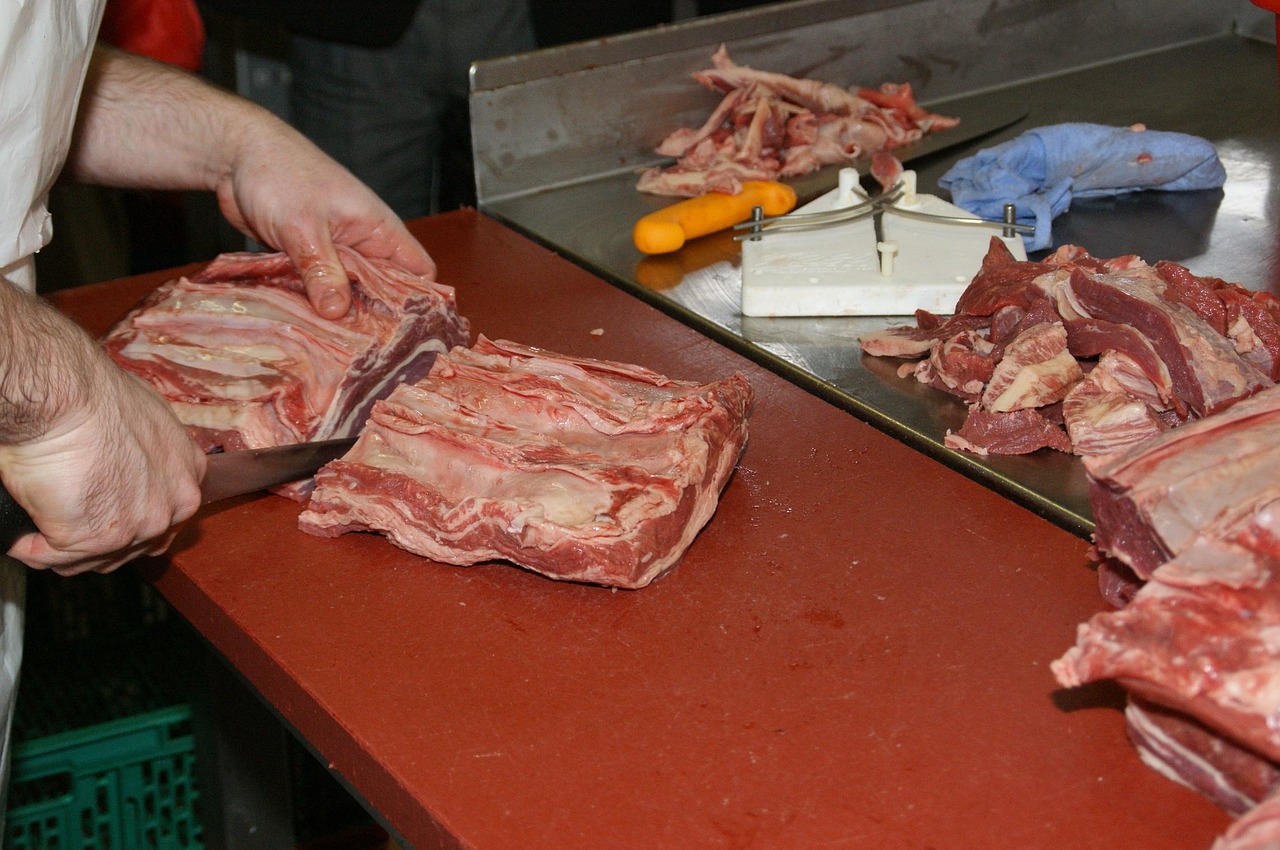
Ask for bone in goat from the shoulder, leg or neck, chopped into 2 inch (5 cm) pieces. Boneless goat will cook, but it will never give you the same gravy.
Here is the science. Goat is lean and rich in connective tissue. During a long, gentle braise, the collagen in that tissue and around the bones slowly melts into gelatin. That gelatin thickens the gravy, gives it a glossy body and makes the meat feel juicy even though goat carries little fat.
Frozen goat works well. Thaw it overnight in the fridge before washing and marinating.
No goat available? Bone in lamb shoulder or mutton is the closest swap. Lamb is more tender, so start checking it after about 1½ hours of simmering.
The three seasonings you cannot swap out
1. Jamaican curry powder. This is the single biggest factor in how your curry goat tastes. Jamaican blends are heavy on turmeric and include ground pimento, fenugreek, coriander and cumin, which gives them an earthy, warm, slightly sweet depth. Generic yellow curry powder from the supermarket lacks the pimento and tastes flat by comparison. Trusted Jamaican brands include Betapac and Blue Mountain Country. If you are searching for the best curry powder for goat, start with one of these.
2. Scotch bonnet pepper. The Scotch bonnet is the soul of Jamaican heat. It is roughly as hot as a habanero but brighter and fruitier, with notes that remind many cooks of apricot and tomato. A jalapeño is far milder and grassy, so it cannot stand in. Look for fresh Scotch bonnets in the produce section of a Caribbean grocery, or use a Jamaican Scotch bonnet pepper sauce in a pinch.
3. Whole pimento berries (allspice). Outside the Caribbean, allspice is often treated as a baking spice. In Jamaica, whole pimento berries are a backbone of savoury cooking, from jerk to soups to curries. Use whole berries rather than ground, because they release their clove and pepper notes slowly over the long braise.
The supporting seasonings
Fresh thyme sprigs, scallions (green onions), garlic, fresh ginger and onion round out the flavour. Buy thyme on the stem, not dried, because the whole sprigs perfume the gravy and are easy to lift out before serving.
Traditional Jamaican Curry Goat Recipe Card
Prep: 30 minutes, plus 2 hours to overnight marinating
Cook: 3 hours
Total: 3 hours 30 minutes
Serves: 6
Equipment: a heavy Dutch oven or large pot with a tight lid
Ingredient | Amount (imperial) | Amount (metric) | Notes |
|---|---|---|---|
Bone in goat (shoulder, leg or neck) | 3 lb | 1.4 kg | Chopped into 2 inch (5 cm) pieces |
Lime | 1 | 1 | Juiced, for washing |
White vinegar | 2 tbsp | 30 ml | For washing |
Jamaican curry powder | 4 to 5 tbsp | 30 to 40 g | Divided: 2 tbsp for the marinade, the rest for burning |
Onion | 1 large | 1 large | Diced |
Garlic | 1 head | 1 head | Chopped, divided in half |
Fresh ginger | 2 inch piece | 5 cm piece | Minced |
Fresh thyme | 4 sprigs | 4 sprigs | Whole |
Scallions (green onions) | 3 | 3 | Sliced |
Whole pimento (allspice) berries | 6 | 6 | Lightly crushed |
Scotch bonnet pepper | 1 | 1 | Left whole |
Salt | 1½ tsp | 8 g | Plus more to taste |
Black pepper | 1 tsp | 2 g | Freshly ground |
Cooking oil | ¼ cup | 60 ml | Vegetable, canola or coconut |
Tomato paste | 1 tbsp | 15 ml | Optional, adds colour and body |
Water or beef stock | 3 to 4 cups | 750 ml to 1 L | Enough to just cover the meat |
Potatoes | 2 medium | 2 medium | Peeled, cut into large chunks |
How to Make Jamaican Curry Goat, Step by Step (Traditional Stovetop)
Step 1: Clean and prep the meat
Place the goat in a large bowl. Add the lime juice and vinegar, cover with cool water and swish the pieces around with your hands. Drain, then rinse once more.
This traditional wash does two jobs. It flushes away small bone chips left by the butcher's saw, and many Jamaican cooks believe it tempers goat's strong, gamey smell. Pat the meat completely dry with paper towels so the marinade sticks and the meat sears rather than steams.
Food safety note: health agencies advise against rinsing raw meat because splashes can spread bacteria. If you follow the traditional wash, do it in a bowl rather than under the tap, and clean and sanitize your sink and counters right after.
Step 2: Marinate overnight
Season the goat with the salt, black pepper and 2 tablespoons of the curry powder. Add the onion, half the garlic, the ginger, scallions, pimento berries and thyme. Massage everything into the meat for a minute or two, cover and refrigerate.
Two hours is the minimum. Overnight is what Jamaican cooks do, and it is the difference between curry that sits on the surface and curry that seasons the goat all the way to the bone.
Step 3: "Burn" the curry
Burning the curry is the step that separates authentic Jamaican goat curry from a bland stew. Despite the name, nothing should actually burn.
Scrape the loose onion, garlic and herbs off the meat and set them aside, because they would scorch in the next step. Heat the oil in your Dutch oven over medium high heat until it shimmers. Add the remaining 2 to 3 tablespoons of curry powder and stir constantly for about 60 seconds, until it darkens a shade and smells toasty and intensely fragrant.
Why it works: many of the flavour compounds in turmeric, cumin, coriander and fenugreek dissolve in fat, not water. Toasting the powder in hot oil releases those compounds, removes the raw, dusty taste of uncooked spice and coats every piece of meat in flavour. If the powder turns black or smells acrid, it has gone too far. Wipe the pot and start again.
Step 4: Sear, then braise low and slow
Add the goat to the curried oil in batches so the pot is not crowded. Sear for 8 to 10 minutes total, turning until every side is browned and stained deep gold.
Return all the meat to the pot. Stir in the reserved aromatics, the rest of the garlic and the tomato paste. Pour in just enough water or stock to cover the meat, then drop in the whole Scotch bonnet.
Bring to a boil, then immediately turn the heat to low. Cover tightly and simmer gently for 2 to 2½ hours, stirring every 20 to 30 minutes and adding a splash of hot water if the liquid drops below the meat. You want lazy bubbles, never a rolling boil.
Step 5: Add potatoes for a naturally thick gravy
When a fork slides easily into the thickest piece of goat, add the potato chunks. Taste the gravy and adjust the salt. Simmer uncovered, or with the lid ajar, for another 25 to 30 minutes.
The potatoes do more than bulk up the pot. As they cook, their edges release starch that binds with the gelatin from the bones, turning the liquid into a thick, velvety gravy without any flour. Some cooks mash one or two pieces against the side of the pot for an even richer finish.
Remove the Scotch bonnet and the bare thyme stems before serving.
Pro Tips for Tender Curry Goat
"Why is my goat meat tough?"
Tough goat almost always comes down to heat that is too high or time that is too short. At a hard boil, the muscle fibres tighten and squeeze out moisture before the collagen has a chance to melt. Turn the flame down until the pot barely bubbles, keep the lid on and give it more time. Goat from an older animal can need up to 3 hours or more, and there is no shortcut except a pressure cooker.
How to cook goat meat tender every time
Choose bone in cuts from the shoulder, leg or neck, which are rich in collagen.
Marinate overnight so the salt has time to season and soften the meat.
Sear in batches, then braise covered on the lowest steady flame.
Test with a fork, not a timer. The meat is ready when it pulls away from the bone with almost no effort.
Controlling the heat
The Scotch bonnet is your heat dial.
Heat level | What to do with the Scotch bonnet |
|---|---|
Mild, fruity aroma | Add it whole and remove it before serving. Do not let it burst. |
Medium | Pierce it once or twice with a knife before adding it. |
Hot, true island heat | Slice it open or chop it, seeds included. |
Wear gloves when cutting Scotch bonnets and keep your hands away from your eyes.
My gravy is too thin
Remove the lid for the last 20 minutes to let it reduce, or mash a few potato pieces into the liquid. Avoid flour or cornstarch, which dull the flavour and are not traditional.
My curry tastes bitter or muddy
Either the curry powder scorched during burning, or the blend is stale. Curry powder loses its punch after about six months once opened, so buy it fresh from a busy spice aisle and store it sealed in a cool, dark cupboard.
The next day principle
Curry goat tastes noticeably better the next day. As it rests in the fridge overnight, the spices keep working their way into the meat and the gelatin sets the gravy into something even richer. Many Jamaican cooks make their curry goat a day before a party for exactly this reason.
Serving, Storing and Other Ways to Cook It
What to serve with curry goat
The classic pairing is plain white rice or Jamaican rice and peas, which soak up the gravy. Roti is a favourite too, a nod to the dish's Indian roots. Round out the plate with fried sweet plantain, a simple cabbage and carrot slaw, or steamed callaloo.
Storing and reheating
Fridge: cool within 2 hours of cooking and keep in a sealed container for up to 3 to 4 days.
Freezer: freeze for up to 3 months. The potatoes may soften slightly after thawing, but the meat and gravy freeze beautifully.
Reheat: warm gently on the stovetop with a splash of water until it is steaming hot all the way through, 74°C (165°F).
Pressure cooker and slow cooker versions
The stovetop Dutch oven gives the best reduction and the richest gravy, but both shortcuts work well. In each case, marinate and burn the curry first, using the sauté setting or a separate pan.
Method | Liquid | Time | Tip |
|---|---|---|---|
Stovetop (traditional) | 3 to 4 cups | 2 to 2½ hours, then 30 minutes with potatoes | Best texture and flavour |
Electric pressure cooker (Instant Pot) | About 1½ cups | 35 to 40 minutes on high pressure, 15 minute natural release | Add potatoes after, simmer on sauté for 10 to 15 minutes |
Slow cooker | About 2 cups | 7 to 8 hours on low | Add potatoes for the last 1½ hours, then reduce the gravy on the stove if needed |
Jamaican Goat Curry Recipe FAQ
What makes a Jamaican goat curry recipe different from other curries?
Jamaican curry goat uses a turmeric rich curry powder with ground pimento, plus whole pimento berries, Scotch bonnet pepper, fresh thyme and scallion. It skips coconut milk, cream and yoghurt, relying instead on bone in goat and potatoes to build a thick gravy.
Is curry goat the same as curry mutton?
In Jamaica, usually yes. Many Jamaicans call goat meat mutton, so both names describe the same dish. Outside the Caribbean, mutton normally means mature sheep, which also works in this recipe.
How long does it take to cook goat meat until tender?
On the stovetop, plan on 2 to 2½ hours of gentle simmering, plus about 30 minutes after the potatoes go in. Meat from an older animal can take longer. In a pressure cooker it takes 35 to 40 minutes at high pressure.
Do I have to wash goat meat before cooking?
Washing with lime, vinegar and water is a traditional Jamaican step that removes bone chips and tempers gaminess. It is optional. If you do it, work in a bowl and sanitize your sink and counters afterwards.
Can I use regular curry powder?
You can, but it will not taste like authentic curried goat. Standard yellow curry powder lacks the pimento and depth of a Jamaican blend. Betapac and Blue Mountain Country are reliable choices.
Is Jamaican curry goat very spicy?
Only if you want it to be. Leaving the Scotch bonnet whole gives fruity aroma with gentle warmth. Piercing or chopping it makes the dish much hotter.
Can I make curry goat without potatoes?
Yes. Simmer the pot uncovered for the last 20 to 30 minutes to reduce the gravy instead. You will lose a little body, but the bones still provide plenty of richness.
Shop This Recipe
Everything you need for this Jamaican goat curry recipe is available from local Caribbean and ethnic grocers on our marketplace, so you can skip the hunt through supermarkets that do not carry it.
Authentic Jamaican Curry Goat Bundle · Add to cart
Jamaican curry powder (Betapac)
Whole pimento (allspice) berries
Fresh Scotch bonnet peppers
Fresh thyme and scallions
Fresh ginger and garlic
Fresh bone in goat from partner butcher counters, chopped to order.
What to say at the butcher counter
Not sure how to order? Read this to the butcher:
"Could I get 3 pounds of goat shoulder or leg, bone in, chopped into 2 inch stew pieces for curry goat, please?"
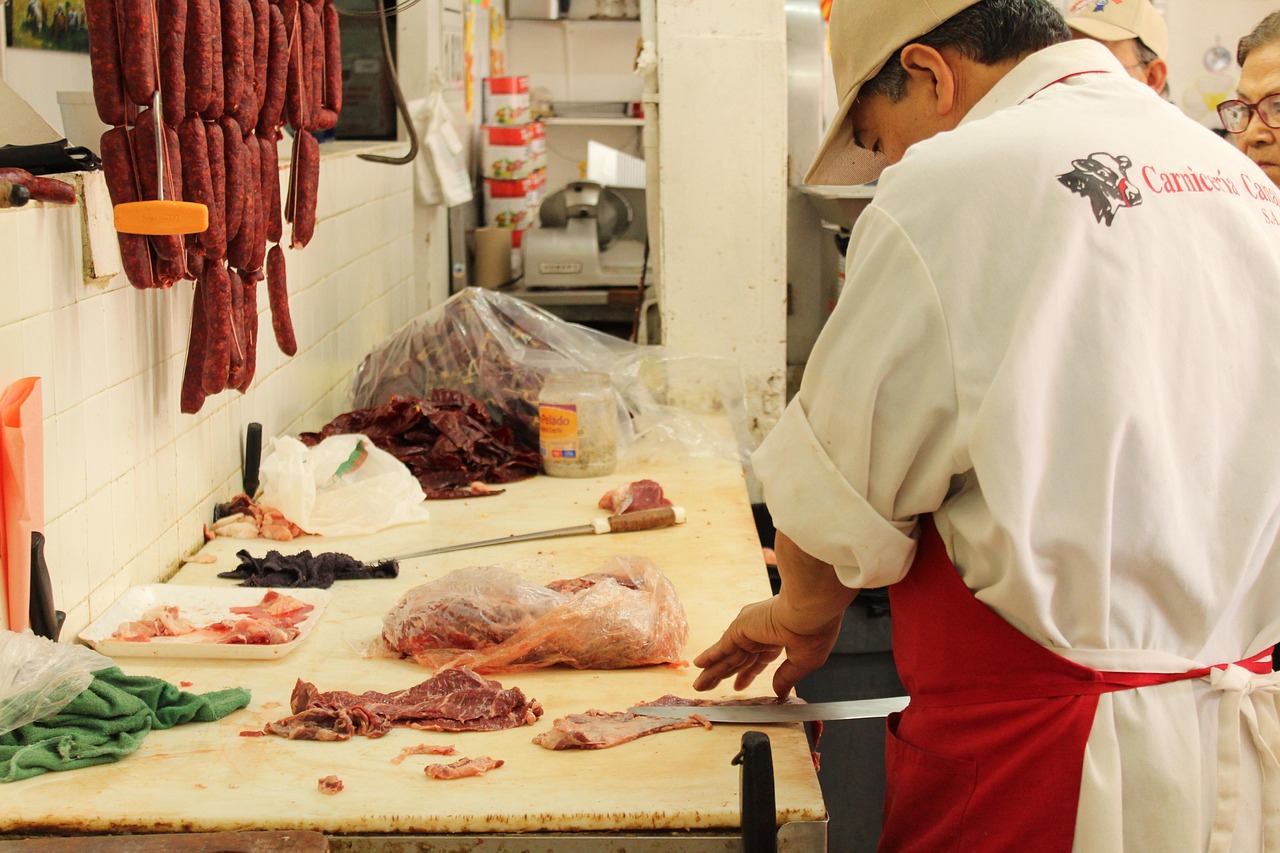
A good Caribbean butcher will know exactly what you mean and cut the pieces evenly, so they cook at the same pace and every bite comes out tender.