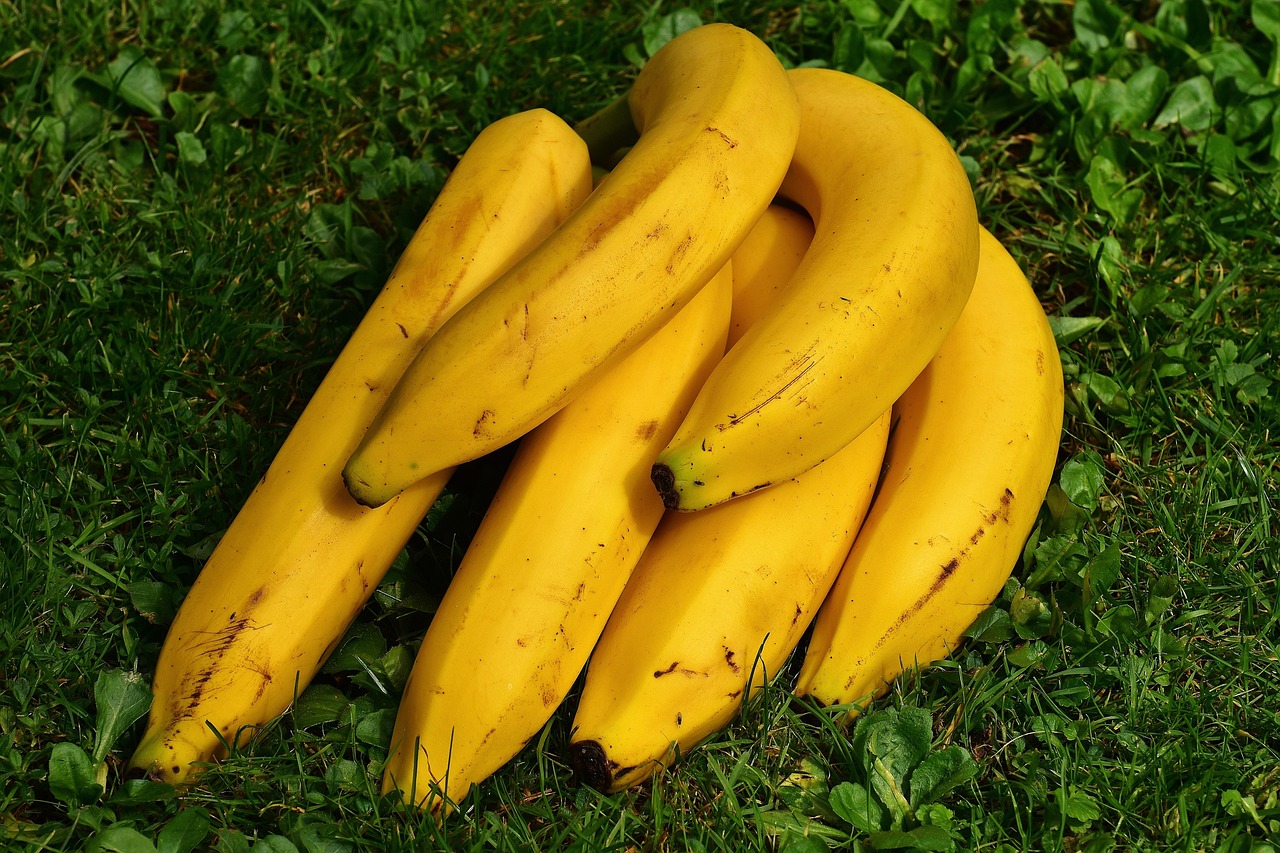
A bunch of large, green, thick-skinned "bananas" in the grocery store isn't a banana at all, it's a plantain. The two fruits are close enough botanically that the mix-up is understandable. Both grow on herbaceous Musa plants, both develop in curved bunches, and both start out green before ripening. But once you try to eat them the same way, the difference becomes obvious fast. A raw plantain is starchy and nearly flavourless, nothing like the soft, sweet bite of a ripe banana.
The real distinction isn't really "fruit vs. vegetable," even though plantain is often described that way. It's how each one is used. Bananas are a ready-to-eat fruit, plantains are a cooking ingredient that happens to be sweet at the ripe end of its spectrum.
Plantain vs Banana: The Core Differences
Banana | Plantain | |
|---|---|---|
Genus | Musa | Musa (close relative, different cultivar group) |
Skin | Thin, easy to peel | Thick, tougher to peel |
Size/shape | Smaller, curved | Larger, straighter, more angular |
Eaten raw? | Yes, once ripe | Rarely, usually cooked at any ripeness |
Taste unripe | Not eaten unripe | Starchy, mild, almost potato-like |
Taste ripe | Sweet, soft, creamy | Sweet but firmer, caramelizes when cooked |
Typical use | Snacking, smoothies, baking | Boiling, frying, roasting, savoury and sweet dishes |
Common in | Global fruit aisles | West African, Caribbean, Latin American, Southeast Asian cuisines |
Nutrition, side by side
Per 100g, raw:
Nutrient | Banana | Plantain |
|---|---|---|
Calories | ~89 | ~122 |
Carbohydrates | ~23g | ~32g |
Fiber | ~3g | ~2-3g |
Sugar | Higher | Lower |
Starch | Lower | Higher |
Vitamin A | Lower | Higher |
Vitamin C | Present | Present, comparable |
Bananas carry more of their carbohydrate as natural sugar, which is part of why they're sweet enough to eat straight from the peel. Plantains carry more of theirs as starch, closer to a potato than a dessert fruit which is exactly why they need heat before they're palatable. As a plantain ripens from green to yellow to black, some of that starch converts to sugar, which is why a well-ripened, fried plantain (dodo) tastes noticeably sweeter than a green, boiled one.
Neither fruit is objectively "healthier." Bananas are a convenient source of quick energy and potassium in a ready-to-eat form; plantains bring more complex carbohydrates and versatility as a cooked staple, closer in role to rice or yam than to a snack fruit.
How to Choose and Cook Ripe vs. Unripe Plantains
This is the part most confusion comes from plantains behave differently depending on ripeness, and the "right" one depends entirely on the dish:
Green (unripe): Firm, starchy, not sweet. Best boiled, or sliced and fried for tostones/chips.
Yellow with some black spots: Softer, some natural sweetness. The most common stage for dodo (fried plantain).
Fully black: Very soft, very sweet, almost caramel-like once fried. Popular for dessert-style preparations.
Bananas don't have this range in the same way once ripe, they're eaten as-is, and past that point they're mostly useful for banana bread rather than a savoury plate.
Where to Buy Fresh Plantain in Canada
Ripe, good-quality plantain can be hit-or-miss at mainstream Canadian grocery chains often sold too green, too bruised, or in limited ripeness stages, with no way to pick the exact ripeness a recipe calls for.
MamiMarkets sources plantain the way West African and Caribbean shoppers actually buy it by ripeness stage, alongside everything else you'd cook it with, from palm oil to suya spice for a full meal. If you're cooking plantain for the first time, our plantain chips recipe guide walks through slicing thickness, oil temperature, and how ripeness changes the result.
Shop fresh plantain and West African staples →
Frequently Asked Questions
Is a plantain just an unripe banana? No. Plantains and bananas are different cultivars of the same genus, not different ripeness stages of the same fruit. Even a fully ripe, black plantain is starchier and firmer than a ripe banana, and it's almost always cooked rather than eaten raw.
Can I substitute banana for plantain in a recipe? Not really. Bananas break down into a mushy, overly sweet result when cooked the way plantains are prepared (fried, boiled), and they lack the starch structure plantain dishes rely on. For savoury West African or Caribbean dishes, there's no good banana substitute, you need actual plantain.
How do I know if a plantain is ripe enough to fry? Look for yellow skin with black spots, that stage has enough natural sugar to caramelize nicely when fried, without being so soft it falls apart in the pan. Fully black plantains work too, for a sweeter, softer result.
Where can I buy good plantain in Canada? Fresh plantain at different ripeness stages is available through African and Caribbean grocers, including online retailers like MamiMarkets, which ships across Canada a more reliable option than mainstream grocery chains, where ripeness and quality vary a lot.
Why do plantains need to be cooked but bananas don't? Plantains contain much more resistant starch than bananas, even at full ripeness. That starch makes raw plantain firm, dense, and unpleasant to eat, heat breaks it down and, in ripe plantains, helps the natural sugars caramelize.
About MamiMarkets
MamiMarkets is a Canadian multi-vendor grocery platform connecting diaspora shoppers with African and South Asian vendors across six cities. We work directly with vetted vendors to source authentic, hard-to-find staples from ripeness-graded plantain to South Asian pantry essentials and get them to doorsteps across Canada. This guide draws on our ongoing work sourcing and researching ingredients alongside the vendors and shoppers who know them best.