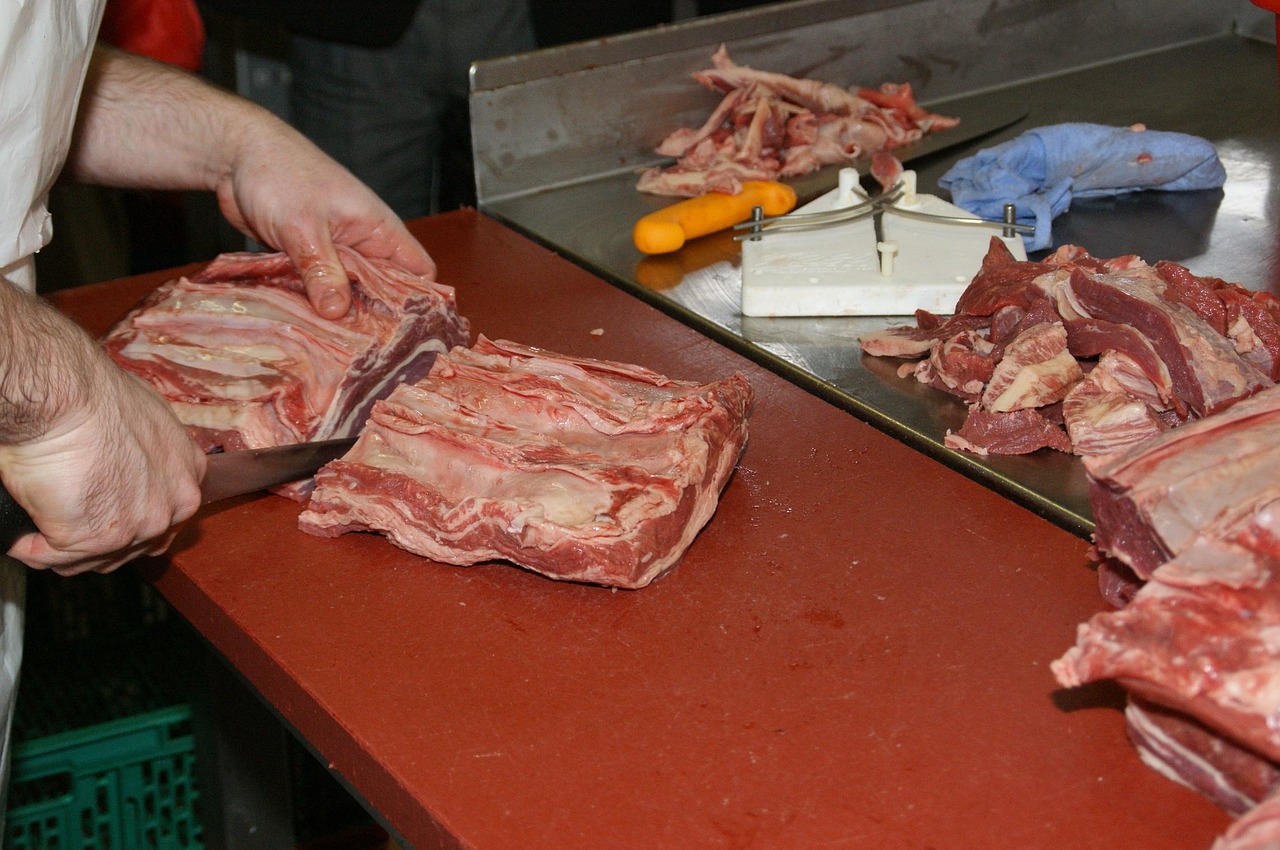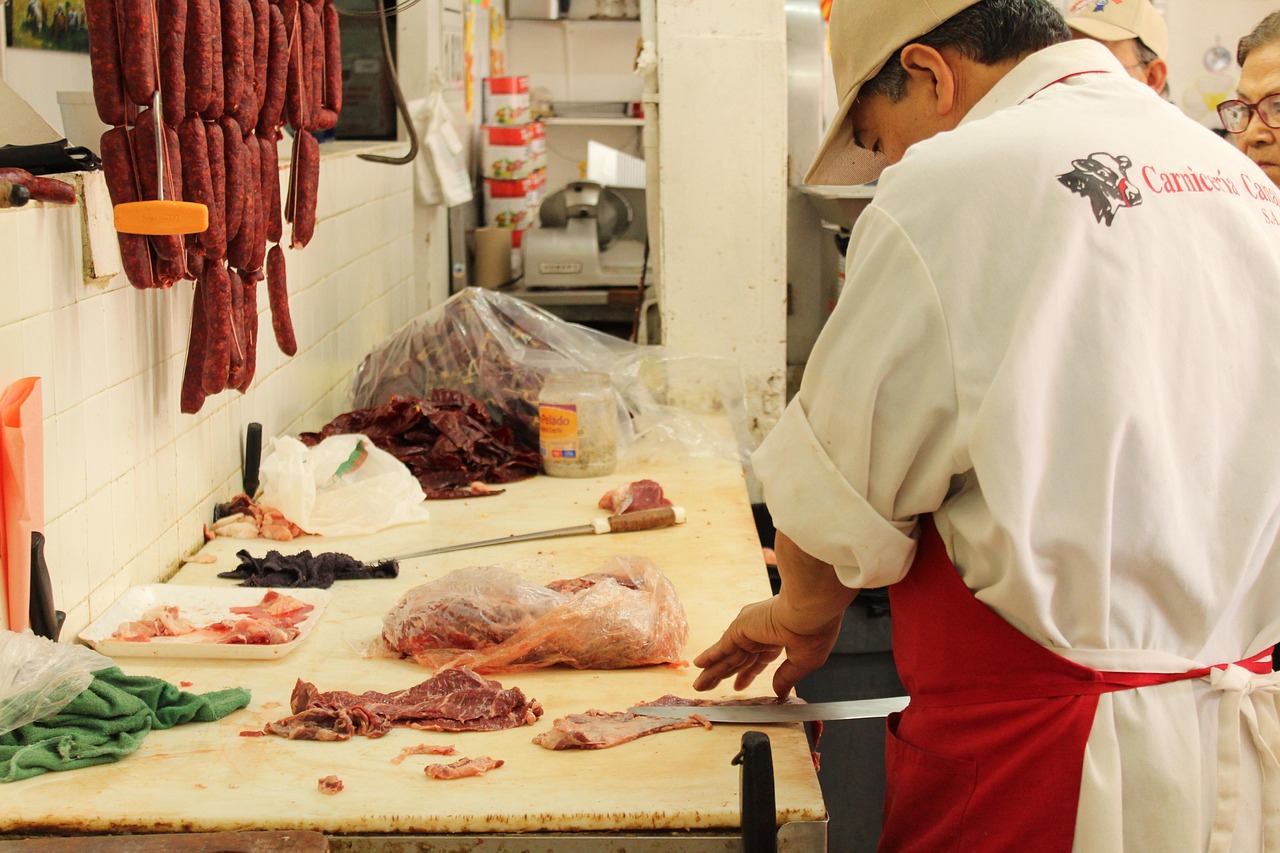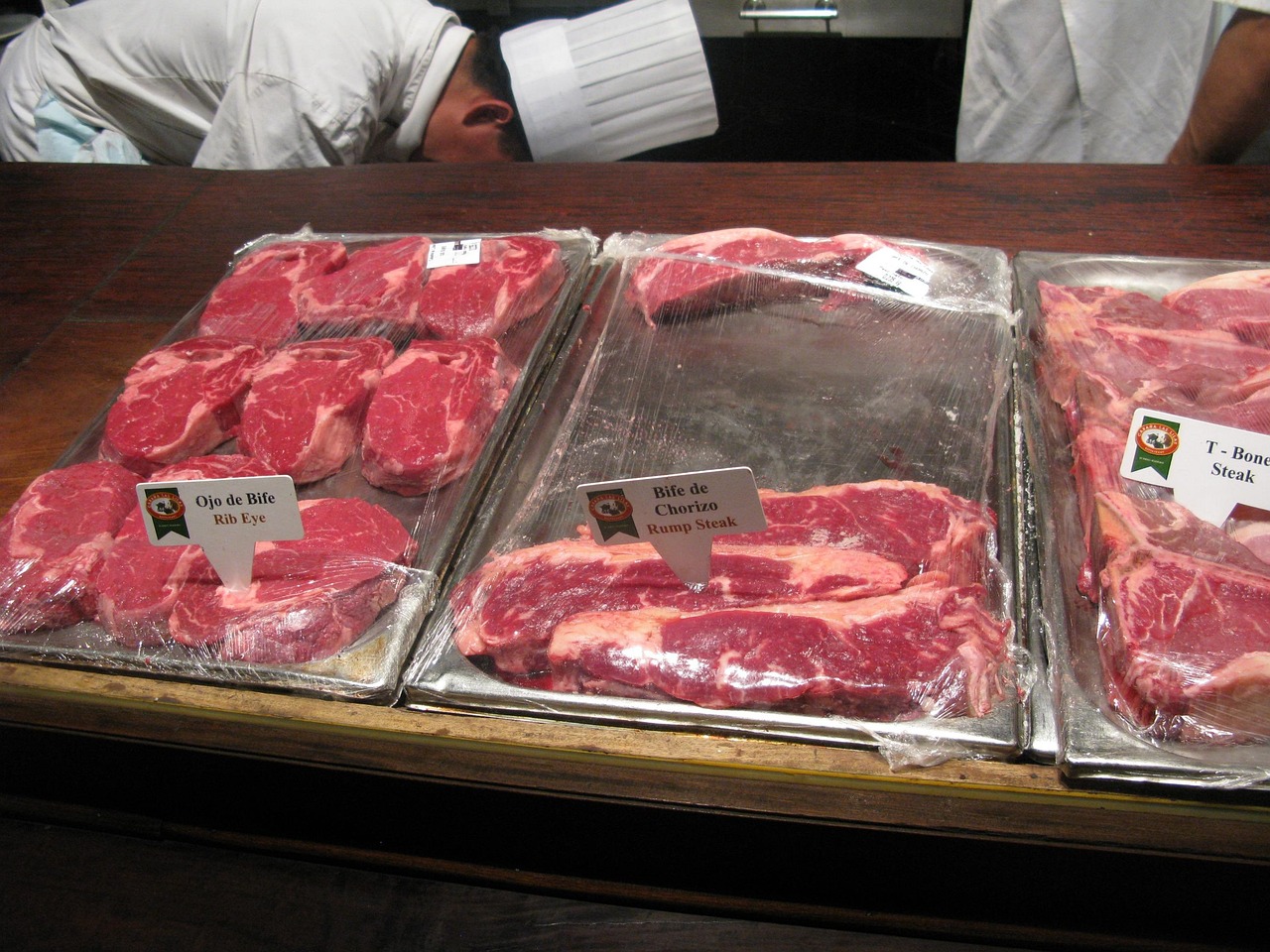
Winnipeg is home to more than 24,000 Muslims, and the market for halal meat in Winnipeg has grown to match. Where newcomers a few decades ago could not find halal meat anywhere in the city, today you can buy hand slaughtered lamb from a fully halal, provincially inspected Manitoba processor, zabiha goat chopped to order for curry, and halal chicken from local farms, all within a short drive.
But more choice brings a harder question, how do you know the meat is genuinely halal? Canada has no single national halal standard, certifiers differ on issues like stunning and machine slaughter, and a halal sign in a window is not the same as a halal certificate.
This guide answers both questions. It profiles the most established halal butchers and grocers in Winnipeg by neighbourhood, explains exactly how to verify a halal claim under Canadian law, shows you which cuts to ask for whether you are cooking biryani, mandi, suqaar or curry goat, and walks you through ordering lamb and goat for Eid al Adha.
Where to buy halal meat in Winnipeg
Store | Neighbourhood | Address | Best known for |
|---|---|---|---|
Downtown / Notre Dame | 628 Notre Dame Ave | Manitoba's first fully halal inspected abattoir; hand slaughtered lamb, goat and beef; whole animals | |
West End | 206 Maryland St | Winnipeg's first halal store; zabiha meat and imported Middle Eastern and South Asian groceries | |
St. Vital | 1574 St Mary's Rd | Syrian family market with a halal butcher counter and house made halal salami and sausage | |
Madina Supermarket and Halal Meat | St. Vital | 166 Meadowood Dr, Unit 10 | Large halal supermarket with a full meat counter, open seven days |
Everyday Grocery and Halal Meat | Fort Richmond | 2995 Pembina Hwy | Halal meat, fish and South Asian staples near the University of Manitoba |
Kiswah Meat and Groceries | Fort Richmond | 2800 Pembina Hwy, Unit 108 | Halal butcher counter with custom cuts |
Salah Grocers and Halal Meat Shop | Downtown | 65C The Promenade | Halal meat and East African groceries in the heart of downtown |
Store hours change often, especially during Ramadan and around Eid. Call ahead before making a special trip.
How Winnipeg's Halal Meat Scene Grew
According to the 2021 Census, 24,170 people in the City of Winnipeg identify as Muslim, about 3.3 percent of the population City of Winnipeg census data. That community is remarkably diverse, with roots across South Asia, the Middle East, East and West Africa and beyond. Each brings its own cuts, dishes and expectations, which is why Winnipeg's halal butchers tend to stock far more goat, lamb and specialty cuts than a typical supermarket.
It was not always this way. Yusuf Abdulrehman, who fled Zanzibar with $20 sewn into his belt, told Country Guide that when he and other immigrants first arrived, halal meat simply could not be found in Winnipeg. Many families ate kosher meat as a stopgap. His answer was to open the city's first halal store, Halal Meat Centre, and to slaughter animals according to Islamic requirements himself HalalFocus, republished from Country Guide.
Since then, the scene has matured in three important ways:
Local, inspected halal processing. All Natural Meats now operates what it describes as Manitoba's first fully halal, inspected abattoir and meat processor, so Winnipeg shoppers can buy halal lamb, goat and beef raised and processed in the province.
Local halal poultry. Small Manitoba processors bring in a halal slaughterer who hand cuts and blesses each bird. Waldner's Meats in Niverville, for example, has supplied hand slaughtered halal chicken to Winnipeg stores, including Halal Meat Centre.
A wider customer base. Halal butchers report serving more and more non Muslim customers, who come for fresh goat, lamb and specialty cuts that mainstream grocers rarely carry.
What Makes Meat Halal: The Short Version
Halal means permissible in Arabic. For meat to be halal, three conditions must be met.
A permitted animal. Cattle, sheep, goat, chicken, turkey and other herbivores and fowl are permitted. Pork and all pork products are forbidden, as are carnivores and birds of prey.
Correct slaughter (zabiha). A sane adult Muslim makes one swift cut across the throat with a sharp knife while saying the name of God, severing the windpipe, food pipe and major blood vessels, and the blood is drained.
Clean handling afterwards. The meat must be kept separate from pork, alcohol and non halal products on every knife, board, grinder and shelf.
For a deeper explanation, read our guide to halal vs non halal meat.
The Best Places to Buy Halal Meat in Winnipeg
All Natural Meats (Downtown, 628 Notre Dame Ave)
Why go: if you want halal meat that was raised, slaughtered and processed in Manitoba, this is the benchmark.
All Natural Meats describes itself as the first fully halal, inspected abattoir and meat processor in Manitoba. It operates under provincial licence number Man 08, every animal is slaughtered by hand according to halal practice, and all processing follows halal rules.
The family naturally raises lamb, goat and beef without artificial hormones, steroids or antibiotics, and sources bison, elk, free range chicken and turkey from local farmers. Its manager is a certified halal inspector, and the team brings more than 25 years of experience in the meat business All Natural Meats.
What to buy: bone in goat and lamb for curries and stews, whole or half lambs and goats for Eid and weddings, and halal bison or elk if you want something different.
Tip: because the company runs its own processing, it is the best place in the city to ask about custom orders, from specific cut sizes to whole animals.
Halal Meat Centre and Specialty Foods (West End, 206 Maryland St)
Why go: Winnipeg's original halal store and a living piece of the city's Muslim history.
Founded by Yusuf Abdulrehman, Halal Meat Centre was the first halal store in Winnipeg. As of 2017, more than three decades after opening, he was still slaughtering most of the meat sold in the store himself and buying hand slaughtered halal chickens from a local supplier HalalFocus.
The shelves are packed with imports from Syria, Lebanon, Jordan, Turkey, Egypt, Morocco and Tunisia, along with spices, sweets and kitchenware, and the store advertises zabiha halal meat Halal Meat Centre on Facebook.
What to buy: zabiha lamb and goat, halal chicken, and the spice blends you need to cook them, including a wide range of Shan masalas.
Alsham Food Market (St. Vital, 1574 St Mary's Rd)
Why go: the go to stop for Levantine and Middle Eastern cooking.
Alsham was established in 2012 by Syrian newcomers Khaldoun Majani and his wife Reem. The family owned market runs a halal butcher counter with fresh lamb, beef and turkey, and makes its own salami, pepperoni and sausage seasoned with a house spice blend. It also carries fresh baked goods and Middle Eastern specialty products Alsham listing.
What to buy: lamb chops and shoulder for mandi or maqluba, ground lamb for kofta, and the house made halal deli meats you will not find elsewhere.
Madina Supermarket and Halal Meat (St. Vital, 166 Meadowood Dr, Unit 10)
Why go: one stop shopping. Madina pairs a halal meat counter with a large international grocery, so you can buy your meat, rice, lentils, spices and frozen foods in one trip. It is open every day of the week, which makes it a practical option for weekend shopping.
What to buy: mutton and goat curry cuts, chicken, and frozen halal kebabs for quick meals.
Tip: ask for the weight and price per kilogram on every bag of fresh meat so you can compare value.
Everyday Grocery and Halal Meat (Fort Richmond, 2995 Pembina Hwy)
Why go: convenient halal shopping for the University of Manitoba area and south Winnipeg. The store combines fresh halal meat and fish with South Asian staples such as rice, paratha and snacks.
Tip: if you prefer meatier bone in cuts, tell the butcher before they cut so you get the ratio you want.
Kiswah Meat and Groceries (Fort Richmond, 2800 Pembina Hwy, Unit 108)
Why go: a dedicated halal butcher counter close to the university, with staff who will cut lamb, beef and goat to your specifications, alongside an international grocery selection.
Salah Grocers and Halal Meat Shop (Downtown, 65C The Promenade)
Why go: a convenient downtown option for halal meat and East African groceries, with ready to eat food on site. Useful if you work downtown and want to pick up meat on the way home.
What about supermarkets?
Several large grocery chains in Winnipeg carry packaged halal chicken and some halal beef from national brands. These are convenient, but selection is narrow, lamb and goat are rarely available, and you cannot ask for custom cuts. For anything beyond basic chicken, a dedicated halal butcher is the better choice.
How to Verify Halal Meat in Winnipeg
This is the section most guides skip, and it is the one that matters most. A word on a sign is not a guarantee. Here is how halal claims actually work in Canada and how to check them.
What Canadian law requires
Since April 4, 2016, any food sold in Canada with a halal claim on its label, packaging or advertising must also name the person or organization that certified it as halal. The rule covers the word halal, Arabic lettering and any symbol likely to suggest a food is halal Grainews.
What the law does not do is just as important. The Canadian Food Inspection Agency checks that a certifier is named, but it does not define what halal means and does not approve or accredit certifiers. In the agency's own words, different certifiers follow different processes, so naming the certifier lets shoppers decide whether that standard meets their own expectations HalalFocus.
All meat sold in Canada, halal or not, must meet the same food safety and animal welfare requirements.
The three questions that separate certifiers
Question | Why it matters |
|---|---|
Was the animal stunned before slaughter? | Some certifiers accept stunning as long as the animal is alive when the cut is made. Others accept no stunning at all. |
Was the chicken slaughtered by hand or by machine? | Hand slaughter, with the name of God said over each bird, is the traditional method and is preferred by many families. Some certifiers accept machine slaughter. This is the single biggest point of difference in Canada today. |
Who performed the slaughter and the inspection? | Look for a named certifier with regular inspections, not only a self declaration by the store. |
Your halal checklist at the counter
Ask who certifies the meat. A trustworthy shop answers immediately and is happy to show a current certificate.
Check the certificate date and scope. Make sure it is current and covers fresh meat, not only packaged goods.
Ask where the meat was slaughtered. A shop that slaughters its own animals or buys from a named halal processor can tell you exactly where your meat came from.
Ask about chicken specifically. If hand slaughter matters to you, ask directly whether the chicken is hand slaughtered.
Watch the counter. Halal meat should be cut on dedicated saws, grinders and boards, with no pork in the case.
Read processed food labels. Sausages, deli meats, kebabs and marinated products need their own halal certification, because casings, gelatin, flavourings and alcohol can make them non halal.
Red flags
A store says its meat is halal but cannot tell you who certified it.
Halal and pork products share a display case, slicer or grinder.
Packaged products claim halal on the label but name no certifier, which breaks Canadian labelling rules.
If you believe a product is falsely labelled halal, you can report it to the Canadian Food Inspection Agency. To understand how halal compares with Jewish dietary law, see our guide to halal vs kosher.
Buying Guide: Which Halal Cuts to Ask For
The real advantage of a halal butcher is that they will cut to order. Knowing exactly what to ask for saves time, money and disappointment.
By type of meat
Goat. Leaner and more strongly flavoured than lamb, with plenty of connective tissue that melts into rich gravy over a long, slow cook. Ask for bone in shoulder or leg chopped into curry pieces. Shop early on weekends for the best selection.
Lamb and mutton. Lamb comes from a sheep under about a year old and is mild and tender; mutton comes from an older sheep and is stronger and best braised. Be aware that in many South Asian and Caribbean households, mutton means goat, so say "sheep" or "goat" clearly when ordering. Our guide to the difference between lamb and sheep explains this in detail.
Beef. Halal beef works for everything from steaks to stews. Shank and bone in chuck are the stars of slow cooked dishes, while sirloin and inside round slice well for grilling and stir fries.
Chicken. Ask whether it is hand or machine slaughtered, and whether you want a whole bird, a whole bird cut into curry pieces with skin on or off, or specific parts.
Specialty items. Many halal butchers can supply tripe, trotters (paya), liver, heart, tongue and bone marrow. These sell out quickly, so phone ahead.
By cuisine: cuts for the dishes you cook
Cuisine | Dish | What to ask the butcher for |
|---|---|---|
Pakistani and North Indian | Biryani, karahi, korma | Goat or lamb curry cut: bone in shoulder and leg in small, even pieces |
Pakistani and North Indian | Nihari | Beef shank on the bone, plus a marrow bone |
Pakistani and North Indian | Keema, seekh kebab | Ground goat, lamb or beef with about 20 percent fat, ground twice |
Pakistani and Afghan | Paya | Goat or lamb trotters, cleaned and split |
Afghan | Kabuli palaw | Bone in lamb shoulder or shank in large pieces |
Arab and Levantine | Mandi, kabsa | Half lamb, or lamb shoulder and leg left on the bone in large pieces |
Arab and Levantine | Kofta, kibbeh | Finely ground lamb with fat; very lean lamb for raw kibbeh |
Arab and Levantine | Shawarma | Thinly sliced beef sirloin or boneless chicken thigh |
Somali | Suqaar | Beef or goat cut into small cubes, trimmed |
Somali | Hilib ari | Bone in goat, larger pieces for roasting or stewing |
Nigerian and West African | Goat meat pepper soup | Bone in goat with skin on if available, small pieces |
Nigerian and West African | Suya | Beef sirloin or flank sliced very thin across the grain |
Bangladeshi | Beef bhuna, kala bhuna | Bone in beef chuck in small pieces, some fat left on |
Caribbean | Curry goat | Bone in goat shoulder chopped into 2 inch pieces; see our Jamaican goat curry recipe |
Turkish | Kuzu tandir | Whole lamb shoulder or leg on the bone |
How much to buy
For bone in curries and stews, allow about 300 to 350 g (roughly 2/3 to 3/4 lb) per adult. For boneless cuts such as kebabs or suqaar, about 200 to 250 g per adult is usually plenty. For a party, round up, because curry made with bone in meat always tastes better the next day.
Eid al Adha, Qurbani and Ramadan: Planning Ahead in Winnipeg
Demand for halal meat in Winnipeg spikes twice a year, during Ramadan and in the days before Eid al Adha. Planning ahead is the difference between getting exactly what you want and settling for whatever is left.
Key dates to plan around
Islamic dates follow the lunar calendar and move about 11 days earlier each year. Final dates depend on the sighting of the moon, so confirm with your mosque.
Occasion | Expected timing | What to order |
|---|---|---|
Ramadan 2027 | Begins around early February 2027 | Ground meat for samosas and kebabs, chicken, goat and lamb for iftar gatherings |
Eid al Fitr 2027 | Around early March 2027 | Lamb or goat for celebration meals, biryani cuts |
Eid al Adha 2027 | Around mid May 2027 | Whole sheep or goat for qurbani, or shares in a cow |
Qurbani (udhiyah) basics
On Eid al Adha, Muslims who are able sacrifice an animal in remembrance of the Prophet Ibrahim's devotion. The core guidelines, which your imam can clarify for your school of thought, are:
Which animal: one sheep or goat counts for one person; a cow or camel can be shared by up to seven people.
Age and health: the animal must be healthy and of the minimum age, commonly at least one year for a goat, about one year for a sheep (some schools accept a large sheep of six months), and two years for cattle.
Timing: the sacrifice takes place after the Eid prayer and during the days of Eid.
Sharing the meat: the meat is traditionally divided into thirds: one for your household, one for relatives and friends, and one for people in need.
How to arrange qurbani in Winnipeg
Contact a halal processor early. Butchers with their own processing, such as All Natural Meats, are the natural place to ask. Book two to four weeks ahead; spots and animals fill up.
Confirm the details in writing: the animal type, the live or hanging weight the price is based on, the cutting instructions and the pickup date and time.
Give cutting instructions. Curry pieces, chops, roasts, ground meat or a mix, and whether you want it bagged in thirds for distribution.
Use a licensed facility. Arrange the sacrifice through a licensed processor rather than at home, so the meat is handled safely and legally.
Consider giving abroad too. Many Winnipeg families also fund qurbani overseas through registered Canadian charities, which distribute the meat to families in need.
Ramadan tips
Stock the freezer before the month begins. Buying in bulk a week or two before Ramadan saves daily trips and often money.
Batch prep. Have the butcher grind meat for samosas and kebabs and cut chicken for curries in one order, then portion and freeze it at home.
Shop at quieter times. Counters are busiest in the hours before iftar; mornings and early afternoons are calmer.
Getting Good Value on Halal Meat in Winnipeg
Halal meat can cost a little more than conventional meat because certification, hand slaughter and separate handling add labour. A few habits close most of that gap.
Compare price per kilogram, not per bag. Ask for the weight on every bag of fresh meat and check it against the receipt.
Agree on the bone ratio. Bone in cuts are cheaper per kilogram but carry more bone. If you want meatier pieces, say so before the butcher starts cutting.
Buy whole and have it cut. A whole chicken cut into curry pieces, or a whole lamb shoulder cut to your instructions, usually costs less than prepackaged parts.
Buy in bulk for the freezer. Larger orders, half lambs and family packs bring the price per kilogram down. See our guide to wholesale butcher shops in Winnipeg for bulk options.
Use the whole animal. Shank, neck, trotters and offal are inexpensive and are the backbone of many of the best slow cooked halal dishes.
Storing and Cooking Halal Meat Safely
Halal meat follows the same food safety rules as any other meat. These guidelines are in line with Health Canada's advice.
Storage | Guideline |
|---|---|
Fridge temperature | 4°C (40°F) or colder |
Fresh ground meat in the fridge | Use within 1 to 2 days |
Fresh chicken in the fridge | Use within 2 to 3 days |
Fresh steaks, chops and roasts in the fridge | Use within 3 to 5 days |
Freezer temperature | Minus 18°C (0°F) or colder |
Thawing | In the fridge, never on the counter; allow about 24 hours per 2 kg |
Cooking | Safe internal temperature |
|---|---|
Ground beef, lamb or goat (kebabs, keema, kofta) | 71°C (160°F) |
Chicken pieces | 74°C (165°F) |
Whole chicken | 82°C (180°F) |
Beef and lamb steaks, chops and roasts | 63°C (145°F) for medium rare, 71°C (160°F) for medium |
Leftovers, reheated | 74°C (165°F) |
Keep raw meat on the bottom shelf of the fridge, use a separate board for raw meat, and wash hands, knives and boards with hot soapy water after handling it.
Halal Meat Winnipeg FAQs
Where is the best place to buy halal meat in Winnipeg?
It depends on what you need. For locally raised, hand slaughtered lamb, goat and beef, All Natural Meats on Notre Dame Avenue is the strongest choice. For history and a huge range of imported groceries, Halal Meat Centre on Maryland Street is Winnipeg's original halal store. For Middle Eastern cooking, Alsham Food Market in St. Vital stands out. In south Winnipeg, Madina, Everyday Grocery and Kiswah are convenient options.
Is there a halal slaughterhouse in Manitoba?
Yes. All Natural Meats describes itself as the first fully halal, inspected abattoir and meat processor in Manitoba. It operates under a provincial licence, and all of its animals are slaughtered by hand.
How can I tell if halal meat in Winnipeg is genuine?
Ask the store who certifies its meat and ask to see the certificate. By law, any halal claim on a label or in advertising in Canada must name the certifier. Then check that the certifier's standards on stunning and hand slaughter match your own.
Can I get hand slaughtered halal chicken in Winnipeg?
Yes. Some Manitoba poultry processors bring in a halal slaughterer who hand cuts and blesses each bird, and several Winnipeg halal stores sell hand slaughtered chicken. Ask at the counter, because not all halal chicken is hand slaughtered.
Where can I buy halal goat meat in Winnipeg?
Most dedicated halal butchers in Winnipeg carry goat, fresh or frozen. All Natural Meats raises its own goats. For curries, ask for bone in shoulder or leg chopped into small pieces.
Where can I buy a whole lamb or goat for Eid in Winnipeg?
Contact a halal butcher with its own processing at least two to four weeks before Eid al Adha. Confirm the price basis, cutting instructions and pickup time in writing.
Do Winnipeg supermarkets sell halal meat?
Some large chains carry packaged halal chicken and beef from national brands. Selection is limited, and lamb, goat and custom cuts are rarely available.
Is halal meat more expensive in Winnipeg?
Often slightly, because of certification and extra handling. Buying whole cuts, buying in bulk and comparing price per kilogram usually narrows the difference.
Can non Muslims buy halal meat?
Absolutely. Halal butchers in Winnipeg serve customers of every background, many of whom come for the freshness, the goat and lamb selection, and the custom cutting.
Is halal meat the same as kosher?
No. Both forbid pork and require a swift cut and the removal of blood, but the rules differ on blessings, seafood, alcohol and mixing meat with dairy. See our halal vs kosher guide.