Edmonton's culinary scene has been transformed over the past two decades by the arrival of communities from across the African continent.
At the heart of this transformation are African food stores, specialized retail spaces that bring the bold, aromatic, and deeply satisfying flavors of African cooking to the city's residents.
Whether you are looking for the freshest palm oil, the most fragrant berbere spice blend, or the finest dried fish for a traditional soup, Edmonton's African food stores are where your culinary journey begins.
Understanding African Cuisine and Its Ingredient Needs
African cuisine is not a single, monolithic tradition but rather a vast and varied collection of regional and national food cultures, each with its own distinct ingredients, techniques, and flavor profiles.
West African cooking, for example, relies heavily on palm oil, fermented condiments, and a range of dried and smoked proteins. North African cuisine is characterized by the use of preserved lemons, harissa, ras el hanout, and couscous.
East African food traditions draw on a combination of Indian-influenced spice blends, injera-based fermentation culture, and hearty legume dishes. Southern African cooking incorporates dried meat such as biltong and pap, a maize-based staple.
This diversity means that African food stores in Edmonton must carry an impressively broad range of products to serve their customers well.
The best stores manage to stock ingredients from across the continent while also catering to the specific needs of the local communities they primarily serve.
Palm Oil: The Liquid Gold of African Cooking
Few ingredients are as central to African cooking as palm oil. Derived from the fruit of the oil palm tree, palm oil gives many West and Central African dishes their distinctive orange-red color and rich, earthy flavor. It is used in soups, stews, rice dishes, and snacks across a wide swath of the continent.
African food stores in Edmonton typically carry palm oil in a variety of forms, from raw unrefined palm oil with its bold flavor to processed red oil and bleached palm oil, each suited to different culinary applications.
The quality of palm oil can vary significantly between products, and experienced cooks often have strong preferences about which type they use for specific dishes.
Store staff at African food stores can usually help customers identify the best option for their needs, making it worthwhile to ask for guidance rather than simply grabbing the first bottle on the shelf.
Dried and Smoked Proteins
Protein forms a crucial part of African cooking, and the dried and smoked proteins found in African food stores are among the most sought-after items for diaspora shoppers in Edmonton.
Stockfish, a variety of dried cod that has been a staple in West African cooking for centuries, is used to add depth of flavor to soups and stews. Its intense, pungent aroma is unmistakable and beloved by those who grew up eating it.
Dried catfish, smoked mackerel, dried shrimp, and crayfish powder are also popular and are usually available in most stores.
For shoppers who prefer fresh or frozen proteins, some African food stores in Edmonton carry whole tilapia, snail, goat meat, and beef offal, all of which feature prominently in various African culinary traditions.
The availability of fresh proteins varies by store, so it is worth calling ahead or checking with staff before making a special trip.
Fermented and Dried Condiments
One of the most distinctive aspects of West African cooking is its use of fermented condiments to add umami depth and complexity to dishes.
Dawadawa, also known as African locust bean or iru, is a pungent fermented condiment made from locust beans. It is used in small quantities to season soups, stews, and rice dishes, and its flavor is intensely savory and complex.
African food stores in Edmonton typically carry dawadawa in several forms, including whole seeds, ground powder, and wrapped balls.
Ogiri, another fermented condiment made from various seeds, and ukpaka, made from fermented oil bean seeds, are also stocked in well-supplied stores.
These ingredients are not interchangeable and each contributes a unique flavor to specific dishes, so it is worth learning the distinctions if you plan to cook a wide variety of African recipes.
Flours and Grains
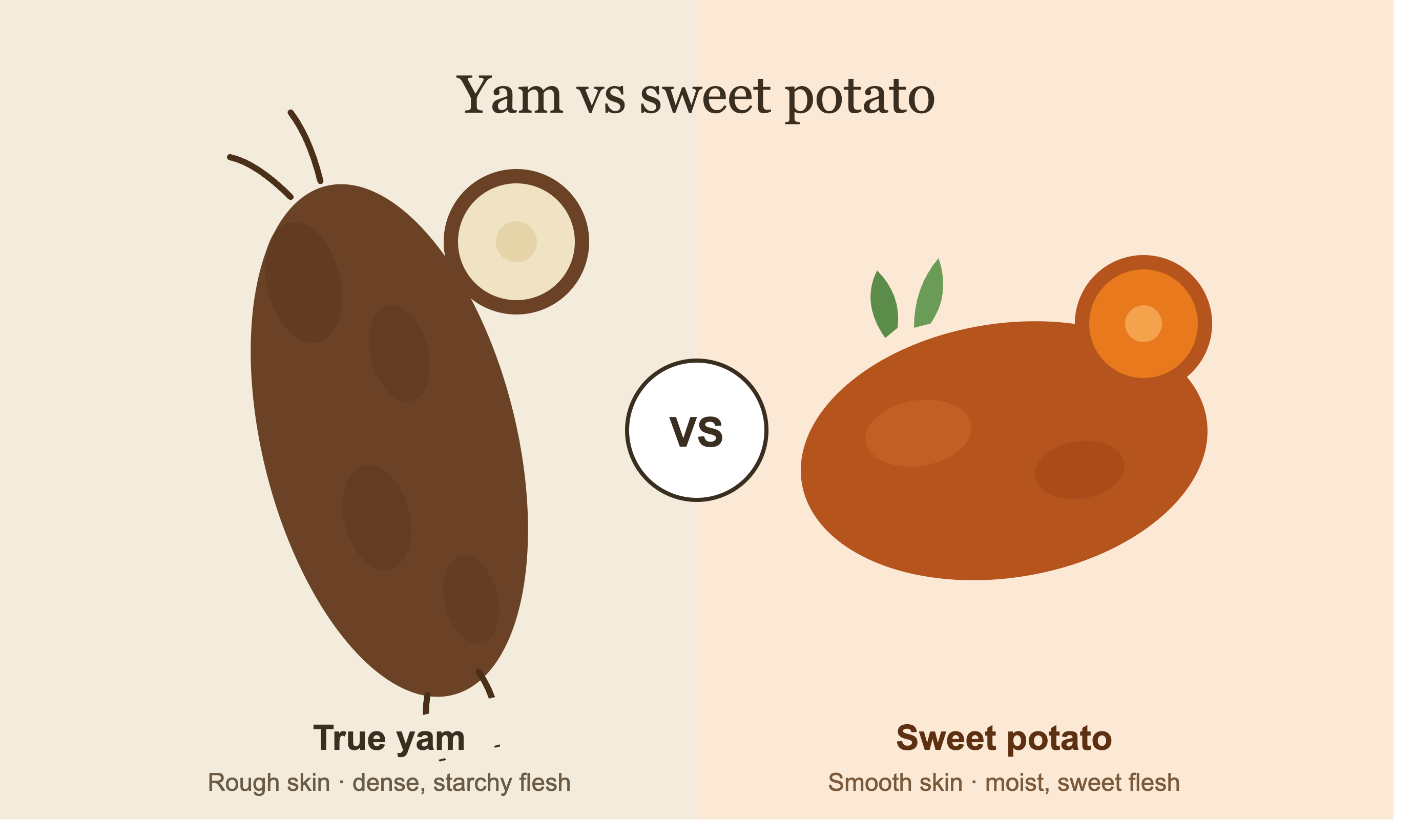
The flour and grain section of an African food store in Edmonton is typically one of its most extensive categories. Fufu, the West African starchy side dish made by pounding and stretching boiled cassava, yam, or plantain, is now widely available in instant powder form.
These fufu powders allow for quick and convenient preparation of a dish that traditionally required significant time and effort. Cassava flour, yam flour, plantain flour, and semolina are all commonly found, alongside a variety of imported rice brands favored in African cooking.
For East African shoppers, teff flour is an essential purchase. Teff is a tiny, nutrient-dense grain that is the foundation of injera, the sourdough flatbread central to Ethiopian and Eritrean cuisine.
Sorghum flour and millet flour are also available in some stores, reflecting the grain-based cooking traditions of the Sahel region and parts of East Africa.
African Spices and Spice Blends
The spice aisle of an African food store is a sensory experience unlike any other. The aromas of dried chilies, smoked paprika, fenugreek, and a dozen other spices blend together to create a fragrance that is both exotic and deeply comforting to those who know it well.
African food stores in Edmonton stock both individual spices and pre-mixed blends tailored to specific dishes or regional cuisines.
Suya spice mix, used to marinate and season the popular Nigerian grilled meat dish, is a perennial best-seller. Berbere, the Ethiopian spice blend that forms the backbone of many stews and dishes, is also widely sought after.
Other popular items include uziza seeds, ehuru (African nutmeg), prekese, grains of selim, and a variety of dried chili peppers from different regions of the continent.
Shopping for these spices in an African food store, where knowledgeable staff can help you understand their uses, is far more rewarding than trying to source them through generic online retailers.
Beverages, Drinks, and Health Products
African food stores in Edmonton also carry a range of beverages and health products that appeal to the community. Zobo, the Hausa name for hibiscus flower used to make a tart, ruby-red drink popular across West Africa, is widely available in dried form.
Tamarind pods and concentrate are another popular item, used in both beverages and cooking across the continent. Moringa leaf powder, baobab fruit powder, and tiger nut flour have gained popularity as health food products and are now stocked in many stores.
Shopping Tips for African Food Stores
To make the most of your visit to an African food store in Edmonton, come prepared with a list of what you need but also leave room for discovery. These stores often carry products you did not know you were looking for.
Ask staff about new arrivals and seasonal products, as stock can change frequently. If you are cooking a dish for the first time, describe it to the staff, and they may be able to point you to exactly the ingredients you need, saving you time and guesswork.
Conclusion
African food stores in Edmonton are an indispensable resource for anyone who loves African cuisine, whether they grew up with it or discovered it later in life.
They bring the authentic flavors of the continent to Alberta's capital, supporting not only culinary excellence but also cultural connection and community wellbeing.
Next time you are planning an African feast, skip the generic supermarket and head to one of Edmonton's dedicated African food stores. Your dishes will thank you.